How to Choose the Right uPVC Windows for Your Home in Delhi NCR
Choosing uPVC windows isn't just about picking a color — profile thickness, glass type, hardware quality, and installation all affect how your windows perform for the next 20+ years. Here's a step-by-step guide for homeowners in Greater Noida, Noida, and Ghaziabad.
Step 1: Understand Profile Thickness & Chambers
The "chambers" inside a uPVC profile are what give it insulation strength. Look for:
- 5-chamber or more profiles for best thermal and sound insulation
- 60mm+ profile depth for structural rigidity, especially for larger windows
- Confirm wall thickness of the profile itself — thin-walled, cheap profiles flex under wind load and lose their seal over time
Step 2: Choose the Right Glass Type
Glass TypeBest ForSingle Glazed (Plain/Tinted)Budget projects, low noise/heat concernsDouble Glazed Unit (DGU)Most homes — strong thermal & sound insulationToughened GlassGround floors, safety-critical areasLaminated / Acoustic GlassHomes near busy roads, metro lines, construction zones
For most Delhi NCR homes, a double-glazed unit (DGU) is the sweet spot between cost and performance.
Step 3: Check Hardware Quality
Hardware — hinges, locks, handles, rollers — determines how smoothly your windows operate for years. Ask specifically about:
- Multi-point locking systems (better security)
- Stainless steel or corrosion-resistant hardware (important given Delhi NCR's air quality and humidity)
- Warranty coverage on hardware separately from the profile
Step 4: Match the System to the Opening
- Casement windows — best ventilation, good for bedrooms and living rooms
- Sliding windows — space-saving, ideal for balconies and smaller openings
- Fixed windows — maximum natural light, no ventilation, good for large picture windows
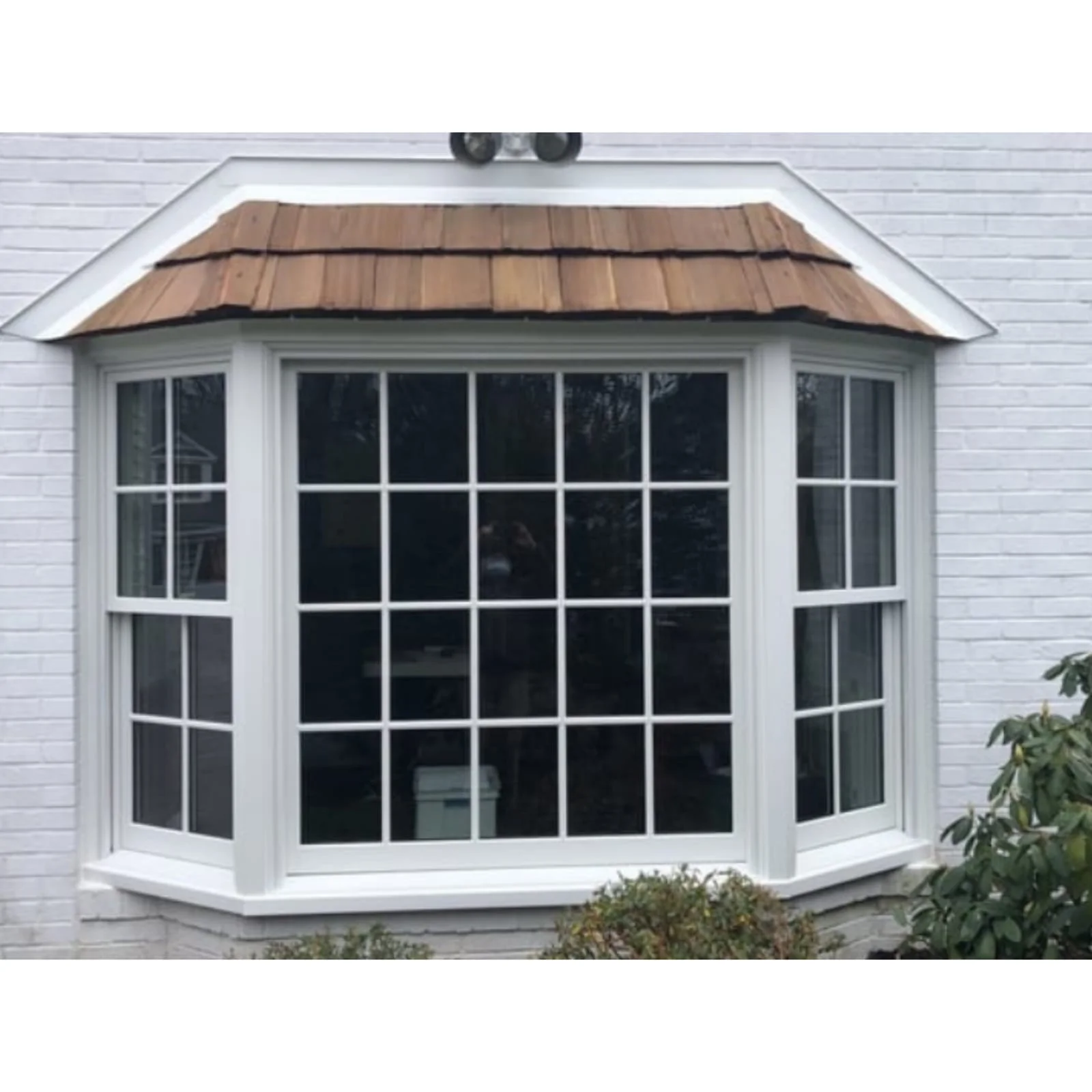
- Bay windows — adds floor space and light, works well for living rooms and corner rooms
- Tilt & turn / ventilators — controlled airflow with security, good for kitchens and bathrooms
Step 5: Ask About Gasket & Seal Quality
Cheap gaskets harden and shrink within 2–3 years, creating gaps you can't see but can hear and feel (draft, noise leakage). Always ask what gasket material is used and its expected lifespan before signing a contract.
Step 6: Choose Your Dealer Carefully
Not all uPVC sellers manufacture their own profiles or control installation quality. Before finalizing:
- Ask if they're an authorized/certified fabricator (ISO certification is a good signal)
- Ask for a site visit and measurement before quoting — accurate measurement affects the final seal quality
- Ask about their installation team — poor installation is the most common reason "good" uPVC windows underperform
- Check their turnaround time for quotes and after-sales support
Step 7: Confirm Warranty & After-Sales Terms
A genuine uPVC window system should come with a warranty covering both the profile and hardware — ask what's covered, for how long, and what the process is if something needs servicing.
FAQs
Q: How many chambers should a good uPVC profile have?
5 chambers or more is considered good for residential use in Indian conditions — it balances insulation performance with cost.
Q: Is double glazing necessary for Delhi NCR homes?
Not mandatory, but highly recommended if you're near a busy road, want better thermal insulation for AC savings, or live in a noise-sensitive area.
Q: How do I know if a uPVC dealer is reliable?
Look for ISO certification, ask for real project references, check their responsiveness, and always insist on a site visit before finalizing your order.
Not sure which system fits your home? Chat with our experts on WhatsApp — we'll recommend the right profile, glass, and system based on your exact requirement, with a quote within 24 hours.
Have a question?
Our experts are happy to answer your questions and help you choose the right system.
Chat With an Expert