uPVC vs Aluminium Windows: Which Is Better for Indian Homes in 2026?
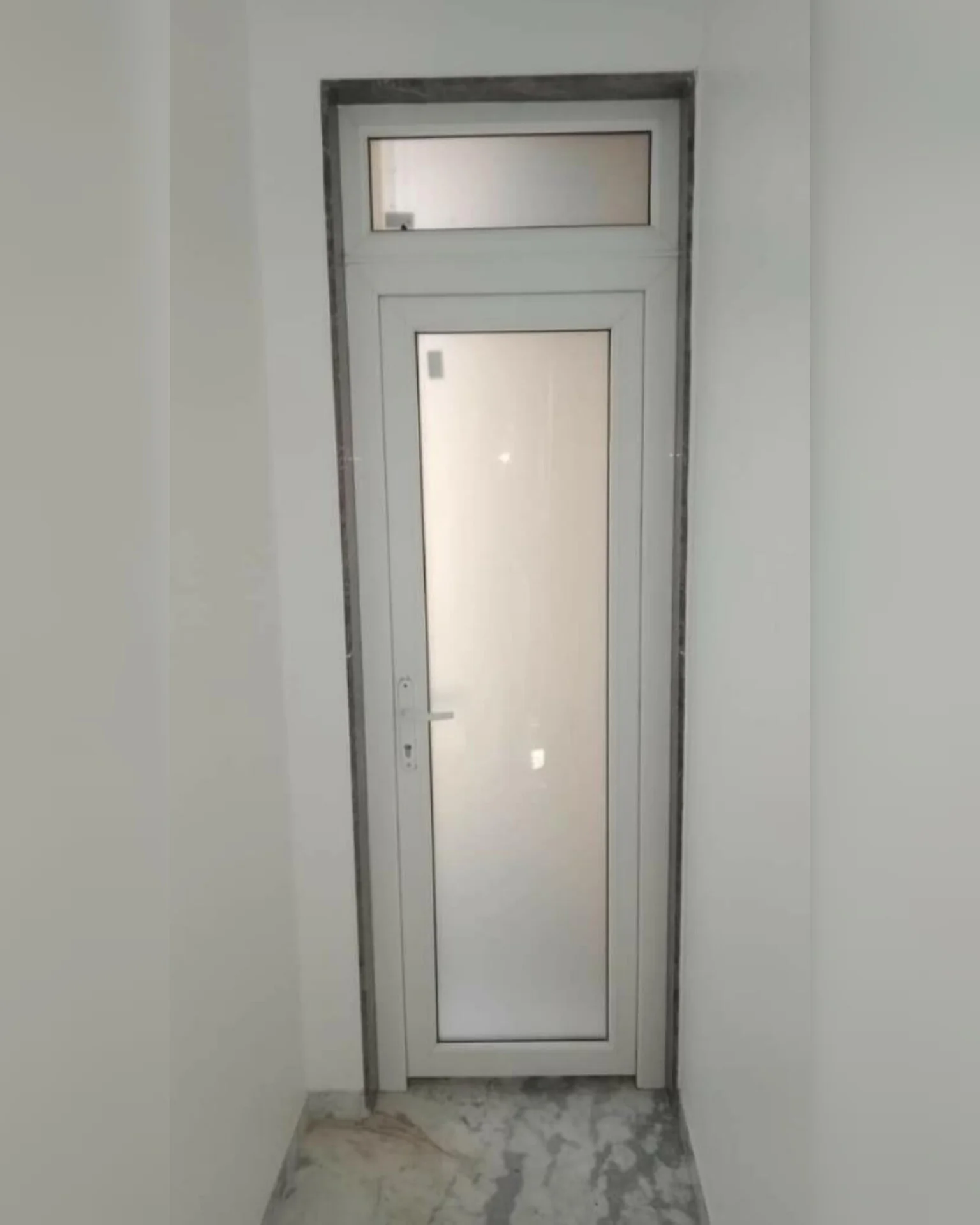
When it's time to choose windows for a new home or a renovation, most homeowners in Delhi NCR narrow it down to two materials: uPVC and aluminium. Both look modern, both promise durability — but they perform very differently once installed in Indian conditions. Here's a detailed, practical comparison to help you decide.
Quick Comparison Table
FactoruPVC WindowsAluminium WindowsThermal InsulationExcellent — multi-chambered profile blocks heat transferPoor — aluminium conducts heat, needs thermal break add-onSound InsulationVery good, especially with double glazingModerate, depends on profile thicknessMaintenanceLow — no painting, no rustLow, but prone to corrosion near coastal/industrial airDurability25–30+ years, won't warp or rotLong-lasting but can corrode over decadesCostMid-rangeSlightly cheaper upfront, higher with thermal-breakAestheticsWide range of woodgrain & solid finishesSlim sightlines, modern minimal lookFire SafetySelf-extinguishing, fire retardantNon-combustible but conducts heat during firesBest ForResidential homes, noise-sensitive areasLarge commercial facades, high-rise glazing
Thermal Insulation: Why uPVC Wins for Indian Summers
Delhi NCR summers regularly cross 40°C, and aluminium — being a metal — conducts heat directly into your home. uPVC's multi-chambered profile design traps air within the frame, acting as a natural insulator. This means your AC works less, directly cutting your electricity bill over a full summer.
Noise Insulation: A Bigger Deal Than Most Homeowners Realize
If you live near a main road, metro line, or construction zone (common across Greater Noida, Noida, and Ghaziabad), sound insulation matters as much as looks. uPVC's airtight multi-point locking and gasket seals block outside noise significantly better than standard aluminium frames, which tend to have thinner seals and more junction points where sound leaks in.
Maintenance: Low for Both, But Different Failure Points
- uPVC never rusts, never needs repainting, and resists UV yellowing with quality profiles.
- Aluminium doesn't rust in the traditional sense, but it can pit and corrode over time, especially in humid or pollution-heavy areas — a real factor in Delhi NCR's air quality.
Cost: Aluminium Looks Cheaper Upfront
Basic aluminium windows can be cheaper initially, but once you add a thermal break (required for real insulation performance) and account for uPVC's lower long-term maintenance and energy savings, uPVC often works out more cost-effective over a 10–15 year period.
Which Should You Choose?
- Choose uPVC if you want energy efficiency, noise reduction, and low lifetime maintenance for a residential home.
- Choose aluminium if you need very large glazed facades or slim commercial sightlines where structural strength at large spans matters more than insulation.
For most homes across Greater Noida and Delhi NCR, uPVC is the stronger long-term choice — which is why it's become the standard in modern residential construction across India.
FAQs
Q: Is uPVC stronger than aluminium?
Aluminium has higher structural strength for very large spans, but uPVC's reinforced multi-chambered profiles are more than strong enough for standard residential window and door sizes, with the added benefit of better insulation.
Q: Does uPVC turn yellow over time?
Quality UV-stabilized uPVC profiles (like the ones we use) resist yellowing for 20+ years. Cheaper, unbranded uPVC can yellow faster — always ask your supplier about UV stabilization.
Q: Which is better for noisy roads — uPVC or aluminium?
uPVC, due to tighter gasket seals and denser profile material, generally outperforms standard aluminium for sound insulation.
Ready to compare in person? Book a free site visit and we'll help you choose the right system for your home.
Have a question?
Our experts are happy to answer your questions and help you choose the right system.
Chat With an Expert